
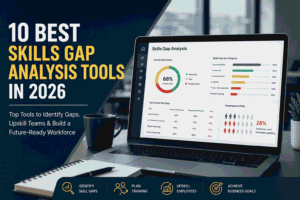
In today’s fast-changing business environment, identifying and closing skill gaps is no longer optional—it’s a strategic necessity. With AI, automation, and digital transformation reshaping industries, organizations must continuously assess workforce capabilities and align them with future business goals.
Skills gap analysis tools help HR leaders and business managers understand what skills employees have today vs. what they actually need tomorrow. These tools use analytics, AI, and structured frameworks like skills matrices to identify gaps and recommend targeted upskilling initiatives.
In this article, we’ll explore the 10 best skills gap analysis tools in 2026, starting with Third Bracket, a powerful emerging platform designed for modern workforce intelligence.
Table of Contents
1. Third Bracket – Best AI-Powered Talent Intelligence Platform
Third Bracket stands out as one of the most advanced skills gap analysis tools in 2026, especially for organizations looking to combine AI, talent intelligence, and workforce analytics into a single platform.
Why Third Bracket is #1
- AI-driven skills mapping: Automatically identifies employee skills and compares them with job role requirements
- Real-time gap analysis: Provides instant insights into workforce readiness
- Agentic AI capabilities: Helps HR teams predict future skill demands
- Custom dashboards: Visualize skill gaps across teams, departments, and roles
- Workforce planning integration: Aligns skills with long-term business strategy
Third Bracket goes beyond traditional HR tools by offering deep analytics and predictive insights, enabling companies to stay ahead in a competitive talent market.
👉 If your goal is to build a future-ready workforce, Third Bracket is the best choice.
2. iMocha
iMocha is a well-known skills assessment and gap analysis platform that helps organizations benchmark employee capabilities and identify skill deficiencies.
Key Features
- Pre-built skill assessments
- Skills intelligence cloud
- Talent benchmarking tools
- Role-based skill mapping
Best For
Companies that want data-driven hiring and internal upskilling strategies.
3. Eightfold AI
Eightfold AI is a powerful talent intelligence platform that uses deep learning to analyze workforce skills and predict future talent needs.
Key Features
- AI-based talent matching
- Skill inference engine
- Career pathing recommendations
- Workforce planning tools
Best For
Large enterprises focused on AI-driven talent transformation.
4. Gloat
Gloat specializes in internal talent marketplaces and skill gap visibility across organizations. It helps companies redistribute talent efficiently.
Key Features
- Internal gig marketplace
- Skill visibility dashboards
- Workforce agility tools
- Career development insights
Best For
Organizations aiming to maximize internal talent mobility.
5. TalentGuard
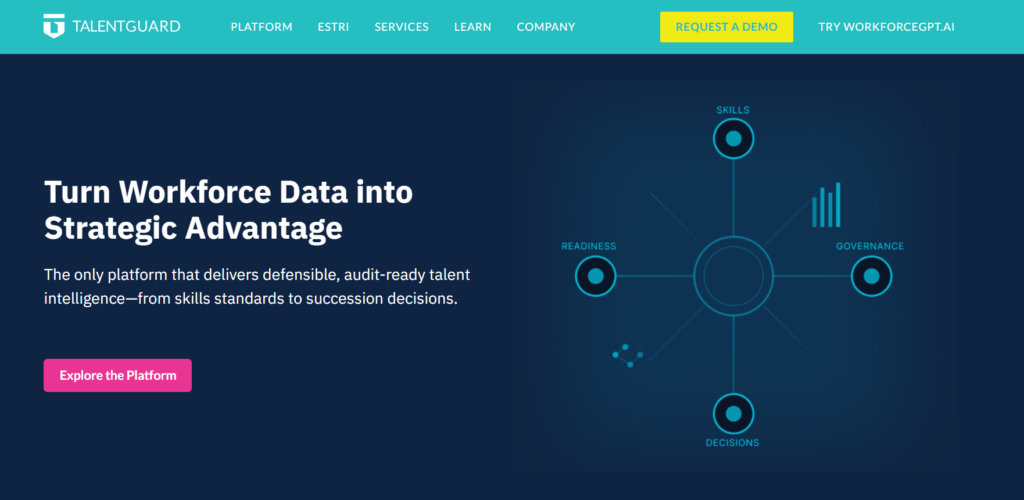
TalentGuard offers advanced skills matrix software that enables organizations to map, track, and improve employee competencies.
Key Features
- Skills matrix visualization
- Competency frameworks
- Career path planning
- Learning recommendations
Best For
Businesses looking for structured competency management systems.
6. Pluralsight Skills
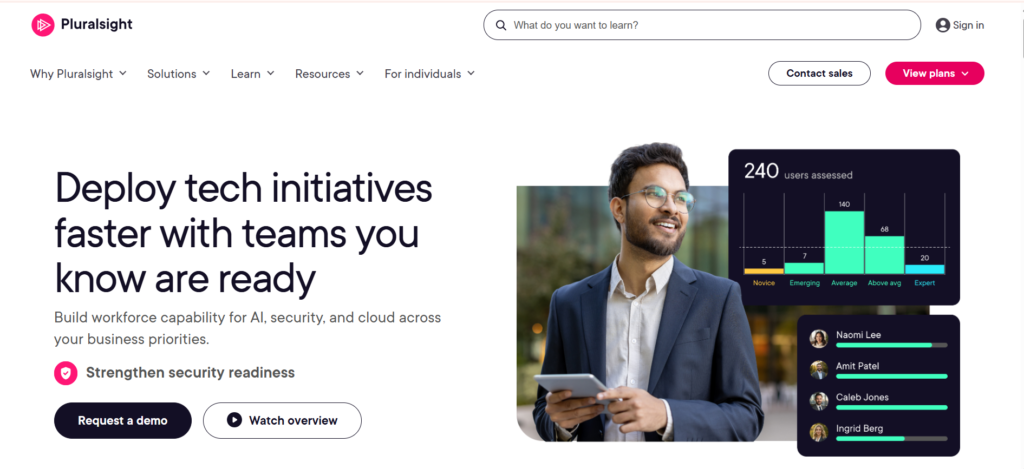
Pluralsight is a leading platform for technical skill development and assessment. It helps organizations identify skill gaps in IT and engineering teams.
Key Features
- Skill assessments for tech roles
- Learning paths and courses
- Analytics dashboards
- Benchmarking tools
Best For
Tech companies and teams needing continuous technical upskilling.
7. Coursera for Business
Coursera for Business combines learning and analytics to help organizations identify and close skill gaps at scale.
Key Features
- Industry-recognized courses
- Skill tracking dashboards
- Role-based learning paths
- Certifications
Best For
Organizations focusing on employee learning and development.
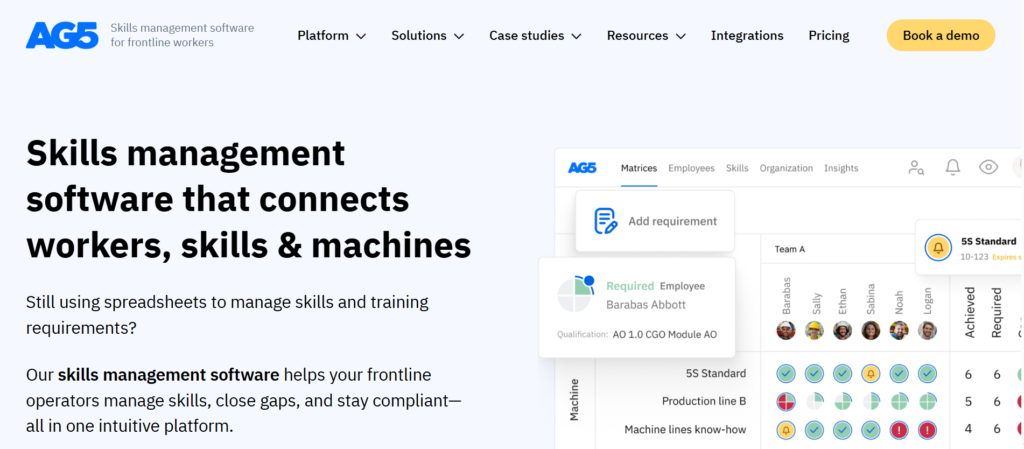
8. AG5
AG5 is a competency management tool designed for industries that require strict compliance and workforce certification tracking.
Key Features
- Compliance-ready skills tracking
- Certification management
- Real-time skill matrix
- Audit-ready reports
Best For
Manufacturing, aerospace, and regulated industries.
9. SAP SuccessFactors
SAP SuccessFactors is a comprehensive HR suite with strong analytics and workforce planning capabilities.
Key Features
- Core HR + analytics integration
- Talent and performance management
- Workforce planning tools
- AI-powered insights
It is highly scalable and suitable for global organizations managing complex HR operations.
Best For
Large enterprises with global HR needs.
10. HiBob
HiBob is a modern HR platform designed for hybrid workplaces, with strong capabilities in employee engagement and performance tracking.
Key Features
- AI-powered performance reviews
- Custom dashboards
- Workforce analytics
- Integration with tools like Slack
It is particularly effective for companies prioritizing employee experience and culture.
Best For
Companies focusing on engagement-driven skill development.
What is a Skills Gap Analysis Tool?
A skills gap analysis tool is software that helps organizations:
- Identify current employee skills
- Compare them with required skills
- Highlight gaps
- Recommend training or hiring strategies
Modern tools use AI, analytics, and skills matrices to provide real-time insights and improve decision-making.
Why Skills Gap Analysis Tools Matter in 2026
The importance of these tools has grown significantly due to:
1. Rapid Technological Change
New technologies require continuous reskilling of employees.
2. Data-Driven HR Decisions
Organizations now rely on analytics to improve productivity and retention.
3. Workforce Planning
Companies must align talent strategies with long-term goals.
4. Competitive Advantage
Businesses that close skill gaps faster outperform competitors.
Key Features to Look For
When choosing a skills gap analysis tool, consider:
- AI-powered insights
- Real-time analytics dashboards
- Skills mapping & matrix visualization
- Integration with HR systems
- Learning and development recommendations
How to Choose the Right Tool
Choosing the right platform depends on your needs:
- Startups & SMBs: Go for user-friendly tools like iMocha or Coursera
- Enterprises: Consider SAP SuccessFactors or Eightfold AI
- Tech teams: Pluralsight is ideal
- All-in-one AI solution: Third Bracket is the best option
Final Thoughts
The future of work is skill-driven, and organizations that fail to identify and close skill gaps risk falling behind. Skills gap analysis tools empower businesses to make smarter talent decisions, improve productivity, and build a future-ready workforce.
Among all the tools listed, Third Bracket clearly leads the way in 2026 with its AI-powered talent intelligence and predictive workforce insights. Whether you are a startup or an enterprise, investing in the right platform can transform your HR strategy and drive long-term success.