
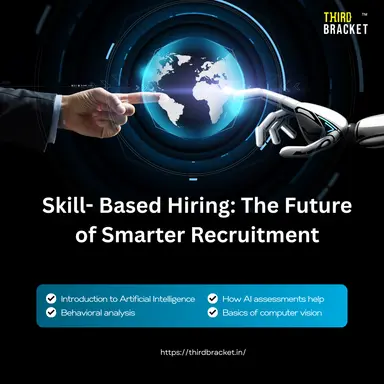
What Is Skill-Based Hiring?
Skill-based hiring focuses on evaluating candidates based on their practical skills, competencies, and ability to perform the actual responsibilities of the role. Instead of screening applicants based on educational background or past employers, recruiters assess hands-on abilities through:
- Skill assessments
- Role-based tasks
- Work samples
- Simulations
- Technical tests
- Structured interviews based on competencies
This method ensures that the best candidates rise to the top based solely on merit and capability.
Why Skill-Based Hiring Is Transforming Recruitment
1. Reduces Hiring Bias
Traditional hiring often creates unconscious biases based on academic pedigree, previous employers, or age. Skill-based hiring shifts the focus to objective performance, reducing bias and creating equal opportunities for all candidates. This leads to more diverse, inclusive, and high-performing teams.
2. Improves Quality of Hire
When companies hire based on real skills rather than assumptions, they bring in people who can immediately contribute. Skill assessments reveal a candidate’s true strengths, helping recruiters identify high-potential talent with practical expertise.
This means fewer hiring mistakes, less turnover, and stronger long-term productivity.
3. Faster Hiring Process
Skill-based hiring simplifies screening by automatically filtering candidates who demonstrate the required competencies. Instead of scanning hundreds of resumes, recruiters rely on assessment scores and task results.
This reduces hiring time significantly while still improving accuracy.
Platforms like Third Bracket streamline this further through automated workflows and AI-enabled candidate matching.
4. Enhances Candidate Experience
Candidates prefer a hiring process where they can show their abilities rather than be judged by a resume. Skill-based hiring provides a fair, transparent, and engaging experience, making applicants feel valued and motivated.
A positive recruitment experience boosts employer branding and attracts top talent.
5. Future-Proofs the Workforce
With rapid technological changes, job roles are evolving faster than ever. Skills become outdated quickly, and experience from five years ago may no longer be relevant. Skill-based hiring ensures companies bring in adaptable individuals who can learn, innovate, and grow with the business.
Future-ready companies focus on:
- Adaptability
- Problem-solving
- Critical thinking
- Digital literacy
- Communication and collaboration
Skill-first hiring aligns perfectly with this long-term vision.
Key Benefits of Skill-Based Hiring for Organizations
✔ Lower Training Costs
When candidates already possess the required skills, companies spend less on onboarding and upskilling.
✔ Better Team Performance
Hiring individuals who excel in their competencies leads to stronger team output and better alignment with business goals.
✔ Higher Employee Retention
Employees hired based on their strengths feel more satisfied and stay longer, reducing turnover.
✔ Greater ROI From Recruitment
Skill-based hiring eliminates guesswork, ensuring every candidate hired drives value.
How Skill-Based Hiring Works: The Step-by-Step Process
1. Identify Required Skills
Instead of listing degrees or generic job descriptions, employers define the exact technical and soft skills needed for the role.
2. Create Valid Skill Assessments
Tests, assignments, or simulations are built to evaluate these specific competencies.
3. Shortlist Based on Performance
Candidates are ranked based on assessment results, ensuring a fair and objective shortlist.
4. Conduct Competency-Based Interviews
Structured interviews dig deeper into problem-solving abilities, communication skills, and real-world thinking.
5. Final Selection
The best-performing candidate is selected based on holistic skill evaluation.
Companies using platforms like Third Bracket get access to automated assessment tools and AI-identified insights to make this process efficient.
Skill-Based Hiring in India: Why It’s Growing Rapidly
Indian companies, especially startups and emerging enterprises, face unique challenges:
- Intense competition for talent
- High hiring volumes
- Shortage of industry-ready professionals
- Rapid technological innovation
Skill-based hiring is solving these challenges by enabling companies to recruit talent based on verified competency rather than educational pedigree.
Industries adopting skill-first hiring include:
- IT & Software
- Digital Marketing
- HR & Operations
- Design
- Sales
- Data & Analytics
- Finance
- EdTech
- Manufacturing
As businesses continue to digitize, skill-first recruitment is becoming the new standard.
How Third Bracket Supports Skill-Based Hiring
Third Bracket is built for the future of work. It integrates AI-driven talent matching with practical skill assessments to help companies hire smarter, faster, and more accurately.
With automated workflows, competency tests, portfolio-based evaluations, and detailed insights, the platform empowers recruiters to identify real talent effortlessly.
Key strengths include:
- Skill assessment tools
- AI-powered candidate matching
- Verified profiles with work samples
- Structured hiring workflows
- Data-backed insights for decision-making
For companies looking to adopt skill-based hiring, Third Bracket serves as an end-to-end solution.
The Future of Recruitment Is Skill-First
As industries continue to evolve, skill-based hiring will dominate the recruitment landscape. It eliminates outdated hiring barriers, promotes meritocracy, and ensures companies find the right talent every time.
Organizations that shift to skill-first recruitment today will gain a massive competitive advantage tomorrow.
By focusing on what truly matters—skills, ability, and potential—businesses can build stronger teams, achieve better results, and create a more inclusive and efficient hiring ecosystem.