
Skill Profiling vs Traditional Assessments: What Makes AI Better for Modern Roles
The way organizations hire and evaluate talent is undergoing a fundamental shift. As job roles evolve rapidly and skill requirements change faster than ever, traditional assessment methods are struggling to keep pace. Resumes, academic scores, and static interviews no longer provide a complete picture of a candidate’s real capabilities.
This is where AI-driven skill profiling is redefining modern hiring. Unlike traditional assessments, AI-powered systems focus on real-world skills, adaptability, and future readiness. In this blog, we explore skill profiling vs traditional assessments and understand why AI-based approaches are becoming essential for modern roles.
Skill-Based Hiring: The Future of Smarter Recruitment
In today’s rapidly evolving job market, companies are redefining how they identify, evaluate, and recruit talent. Traditional hiring practices—focused heavily on degrees, job titles, and years of experience—are no longer effective indicators of true job performance. Businesses now need professionals who can adapt quickly, learn continuously, and deliver results from day one.
This is where skill-based hiring emerges as a game-changing recruitment approach.
Skill-based hiring prioritizes what candidates can do rather than what qualifications they possess. For companies looking to scale efficiently, reduce hiring risks, and build future-ready teams, this approach is becoming essential. Platforms like Third Bracket are already championing this modern recruitment shift, helping organizations hire smarter and faster through skill-first assessments and intelligent matching.
Succession Planning: How to Sustain Purpose and Ensure Leadership Continuity | Third Bracket

When key leaders leave an organization, it’s not just a role that’s vacant — it’s critical knowledge, experience, and vision that walks out the door. According to McKinsey, leadership gaps can cost companies up to 20% in lost productivity annually. This highlights a harsh reality: succession planning is not simply about replacing people — it’s about sustaining purpose and ensuring organizational continuity.
Why Talent Management Is Broken — And How AI Is Transforming It
In today’s rapidly evolving business environment, organizations face a surprising challenge: managing talent effectively. It’s no longer enough to hire based on résumés or conduct annual performance reviews. Companies need dynamic, data-backed systems that help them hire smarter, develop people continuously, and retain top talent.
Traditional HR systems, however, struggle in this new landscape. Many organizations still rely on outdated, subjective, and manual methods that not only slow them down but also limit their ability to identify the right talent. This is exactly why AI-driven talent management is becoming essential.
What Should Leadership Development Look Like in 2026?
Leadership is evolving faster than ever before. As we move toward 2026, organizations are operating in an environment shaped by rapid technological change, hybrid work cultures, global uncertainty, and a workforce that values purpose as much as performance. Traditional leadership development models—focused only on hierarchy, authority, or technical expertise—are no longer sufficient.
Why Leading Organizations Partner with Third Bracket to Build Skill-First Workforces
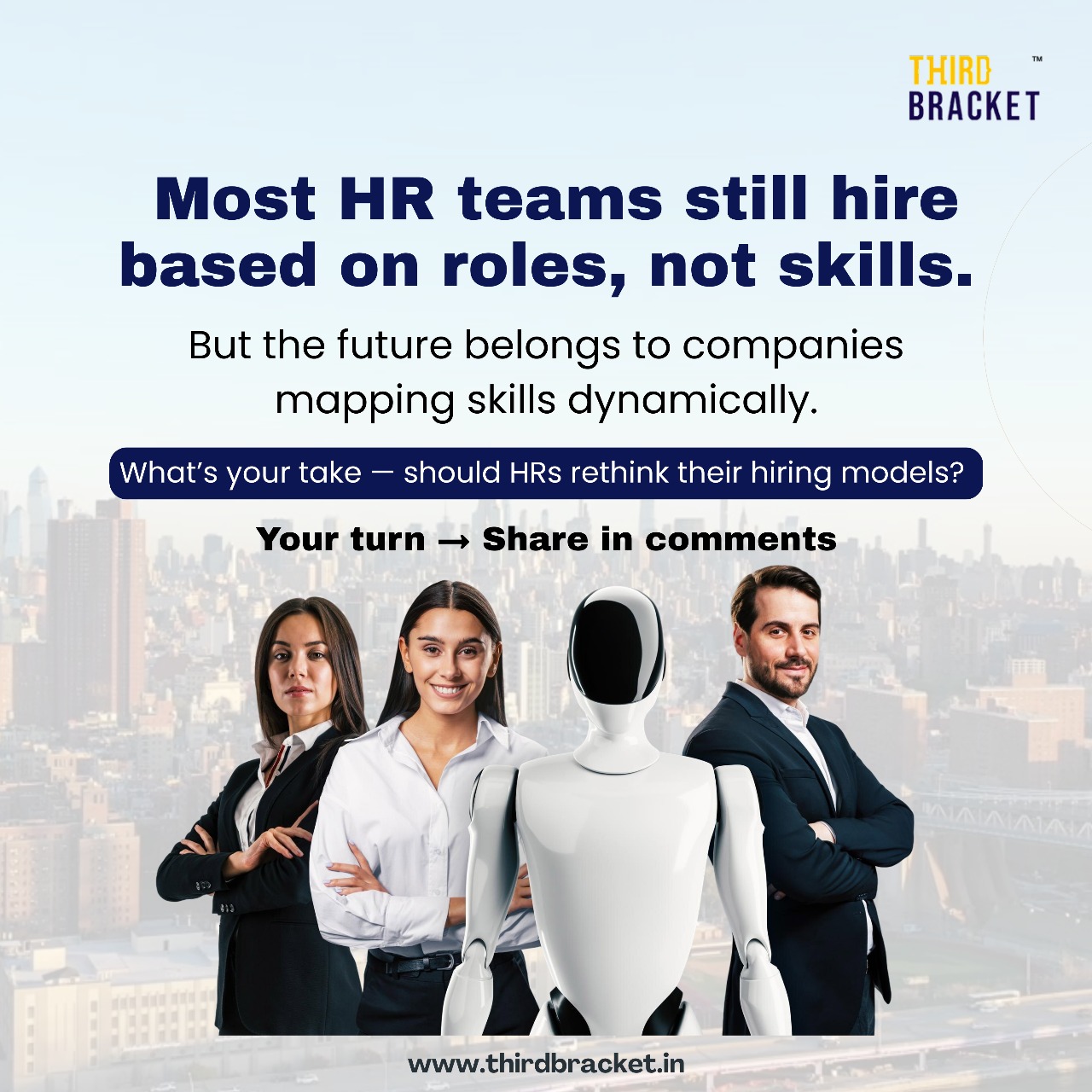
For decades, hiring has revolved around job titles, degrees, and designations. The typical process? Define a role, list responsibilities, post a job description, and find someone who matches it on paper.
But here’s the truth — the future of work doesn’t fit neatly into roles anymore. It’s shaped by skills, not titles. And companies that fail to adapt are already falling behind.
Talent Management in the Modern Era: Why It Matters and How AI Is Reshaping the Future | Third Bracket
In today’s rapidly evolving workplace, talent management is no longer just about hiring the right people—it’s about building an ecosystem where employees can grow, perform, and stay engaged. For startups and SMEs, this becomes even more critical: the right talent strategy can determine whether you scale successfully or struggle to keep pace with competitors.
At Third Bracket, we see talent management as a strategic growth lever, not just an HR function. With AI-driven solutions, we help businesses bridge the gap between people, skills, and organizational goals.
Why SMEs Must Adopt AI-Powered Talent Management Today
Small and medium enterprises (SMEs) are the backbone of many economies, but they often face a persistent challenge: managing talent efficiently while staying competitive. Traditional HR methods are no longer sufficient in a rapidly changing business environment. This is where AI-powered talent management comes in, helping SMEs unlock the full potential of their workforce.